
Frequently Asked Questions
We are here to answer all your inquiries regarding respiratory health and the services we provide at the clinic. Browse the questions below to learn more.

How can we help you today?


What to bring on my first visit?
General & Appointments
Dr. Feby specializes in treating a wide range of chest and respiratory diseases, including asthma, chest allergies, bronchitis, COPD, and sleep apnea for both children and adults.
Please bring any previous medical reports, chest X-rays or CT scans, along with a list of medications you are currently taking.
It is recommended to see a specialist if you suffer from a persistent cough, shortness of breath, wheezing, or recurring respiratory infections that do not respond to standard treatments.
Not necessarily. The doctor will evaluate your condition during the first visit and may request additional tests such as pulmonary function tests or imaging based on that assessment.
Asthma & Chest Allergies
Yes, absolutely. Managing asthma and chest allergies is a core specialty at our clinic, and we are happy to provide the latest treatment protocols to control them.
Asthma is a chronic condition that cannot be completely cured, but it can be excellently managed with appropriate treatments like preventative and bronchodilator inhalers, allowing patients to lead a completely normal life.


Is there a permanent cure for asthma?


How long does the program take?
Pulmonary Rehabilitation
The duration varies depending on the patient's condition and needs, but programs typically last for several weeks, with regular clinic sessions supported by at-home exercises.
Pulmonary rehabilitation does not cure the disease permanently, but it is one of the most effective ways to reduce symptoms (like shortness of breath) and improve your ability to live a better, more active life.
Pulmonary Function Tests (PFT)
These tests measure lung volume, capacity, rates of flow, and gas exchange to determine how well your lungs are working and how well oxygen passes into your blood.
In some cases, yes. The doctor will inform you beforehand if you need to stop certain medications, such as short-acting bronchodilators, before the test to ensure accurate results.


How to prepare for a PFT?

Will I need contrast dye?
Chest CT Scans
An X-ray provides a flat, 2D image, while a CT scan uses a computer to combine a series of X-ray images to create detailed 3D cross-sections, offering much higher precision in detecting subtle abnormalities.
It depends on the reason for the scan. Contrast dye helps highlight blood vessels and tissues better (e.g., when suspecting a pulmonary embolism).
Respiratory Intensive Care
Critical conditions such as Acute Respiratory Distress Syndrome (ARDS), severe life-threatening asthma attacks, respiratory failure, and severe pneumonia that require continuous monitoring or mechanical ventilation.
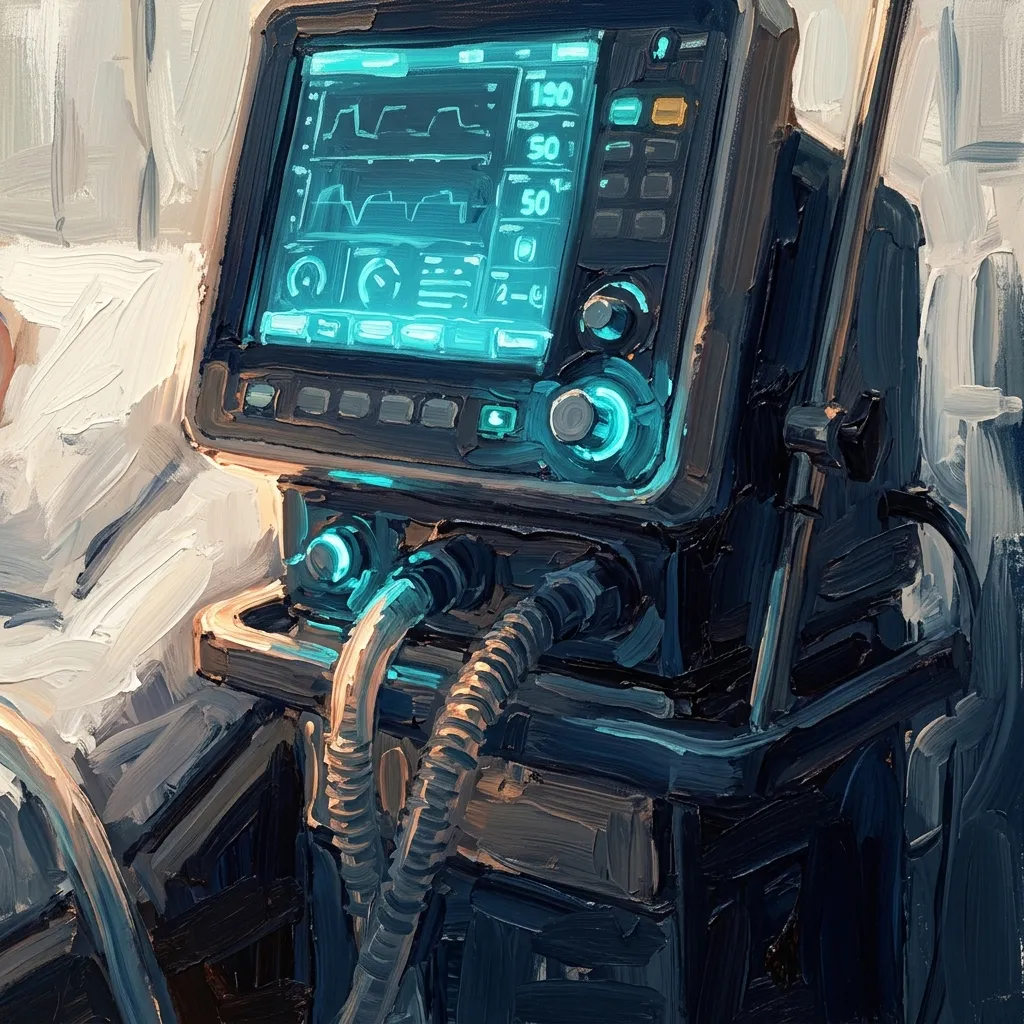
24/7 intensive care
How do I manage shortness of breath?
COPD
There is currently no cure for COPD, but it is a manageable condition. Treatment focuses on relieving symptoms, slowing the progression of the disease, and improving quality of life.
Yes, absolutely. Quitting smoking is the most important step you can take to prevent COPD from getting worse and to protect your remaining lung function.
Bronchiectasis
No, bronchiectasis itself is not contagious. However, if the condition is complicated by a bacterial or viral lung infection, those specific infections might be contagious.
Clearing mucus involves airway clearance techniques (chest physiotherapy), staying well hydrated to thin the mucus, using prescribed inhalers, and staying physically active.

Should I worry about chronic cough?
When do I need antibiotics?
Respiratory Infections
Bronchitis is an inflammation of the airways leading to the lungs, while pneumonia is an infection deep in the lung tissue itself (the alveoli). Pneumonia is generally more severe and requires prompt medical attention.
Not always. Antibiotics are only effective against bacterial infections (like bacterial pneumonia). They do not work against viral infections (like the common cold or viral bronchitis). A doctor must diagnose the cause before prescribing antibiotics.

Dr. Feby Sadek for Chest Diseases
Dr. Feby Sadek has extensive experience in diagnosing and treating chest conditions. Book your consultation today to evaluate your condition and formulate the most suitable treatment plan.
Book your consultation now