
Sleep Apnea
Obstructive Sleep Apnea (OSA) is a potentially serious sleep disorder in which breathing repeatedly stops and starts during sleep. It occurs when throat muscles intermittently relax and block your airway.
When to see a specialist?
Understanding Sleep Apnea
When the airway is blocked, the oxygen levels in your blood drop. Your brain senses this and briefly wakes you from sleep so you can reopen your airway, usually with a gasp or snort. This pattern can repeat dozens of times an hour.
If left untreated, sleep apnea can increase the risk of high blood pressure, heart problems, Type 2 diabetes, and severe daytime fatigue.
Common Symptoms

Since symptoms occur during sleep, they are often first noticed by a partner. They include:
- Loud snoring, often punctuated by pauses in breathing
- Gasping or choking during sleep
- Excessive daytime sleepiness and difficulty concentrating
- Morning headaches and a dry mouth upon waking
- Mood changes, such as irritability or depression
Diagnosis and Treatment
Diagnosis generally involves an overnight sleep study (polysomnography), which can often be done at home with portable equipment to monitor your breathing patterns and blood oxygen levels.
Treatments aim to keep the airway open during sleep:
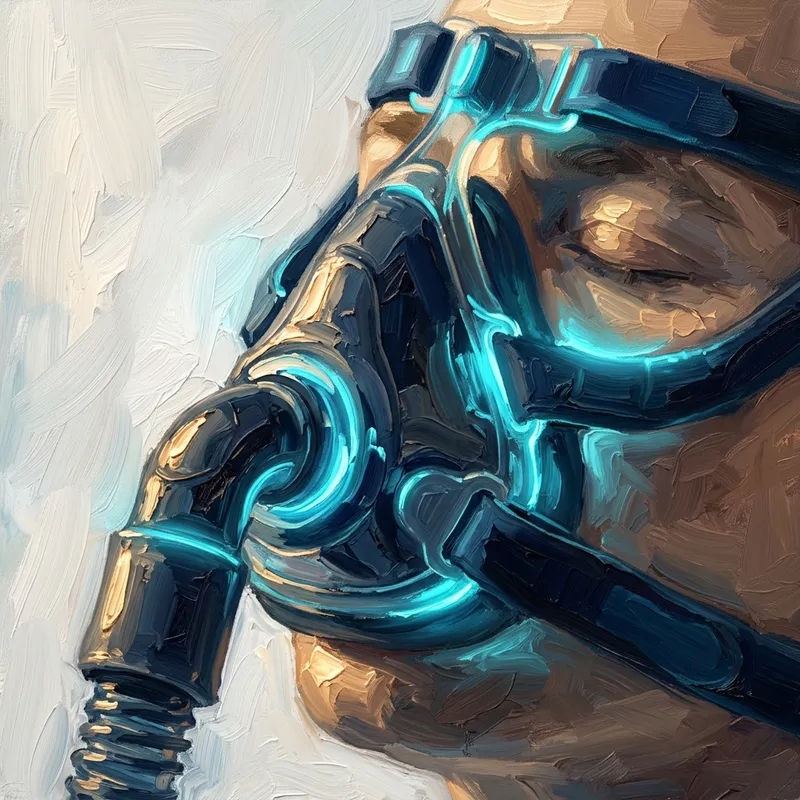
- Continuous Positive Airway Pressure (CPAP) therapy
- Lifestyle changes, such as weight loss and changing sleep positions
- Oral appliances designed to keep the throat open
- Surgical interventions for severe cases or anatomical abnormalities
- Management of associated cardiovascular risks

Dr. Feby Sadek for Sleep Apnea
Dr. Feby Sadek has extensive experience in diagnosing and treating chest conditions. Book your consultation today to evaluate your condition and formulate the most suitable treatment plan.
Book your consultation now