
Interstitial Lung Diseases
Interstitial lung disease (ILD) describes a large group of disorders characterized by progressive scarring (fibrosis) of the lung tissue. This scarring makes it difficult for you to get enough oxygen into your bloodstream.
When to see a specialist?
Understanding ILD
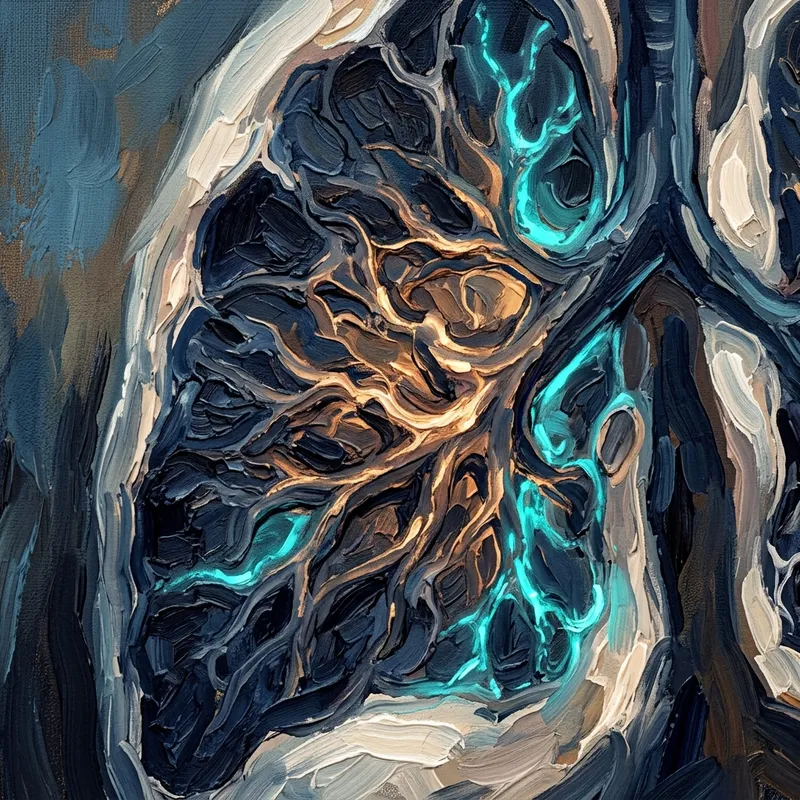
The interstitium is the tissue and space around the air sacs of the lungs. In ILD, this tissue becomes thick and stiff due to inflammation and scarring. Over time, the irreversible scarring makes it harder for the lungs to expand.
Causes can include long-term exposure to hazardous materials (like asbestos), autoimmune diseases (like rheumatoid arthritis), or in many cases, the cause remains unknown (Idiopathic Pulmonary Fibrosis).
Common Symptoms
Because lung damage progresses slowly, symptoms may not be noticed until the disease is advanced:
- Shortness of breath, especially during or after physical exertion
- A dry, hacking cough that does not go away
- Unexplained weight loss
- Extreme fatigue and weakness
- Widening and rounding of the tips of the fingers or toes (clubbing)
Diagnosis and Treatment
Diagnosing ILD is complex. We utilize high-resolution CT scans (HRCT) to detect precise patterns of lung scarring, along with comprehensive pulmonary function tests to measure lung volume.
While lung scarring cannot be reversed, treatments aim to slow disease progression and maintain quality of life:
- Antifibrotic medications to slow down lung scarring
- Corticosteroids or immunosuppressants to reduce inflammation
- Oxygen therapy to make breathing easier
- Pulmonary rehabilitation programs
- Careful monitoring and symptom management

Dr. Feby Sadek for Interstitial Lung Diseases
Dr. Feby Sadek has extensive experience in diagnosing and treating chest conditions. Book your consultation today to evaluate your condition and formulate the most suitable treatment plan.
Book your consultation now